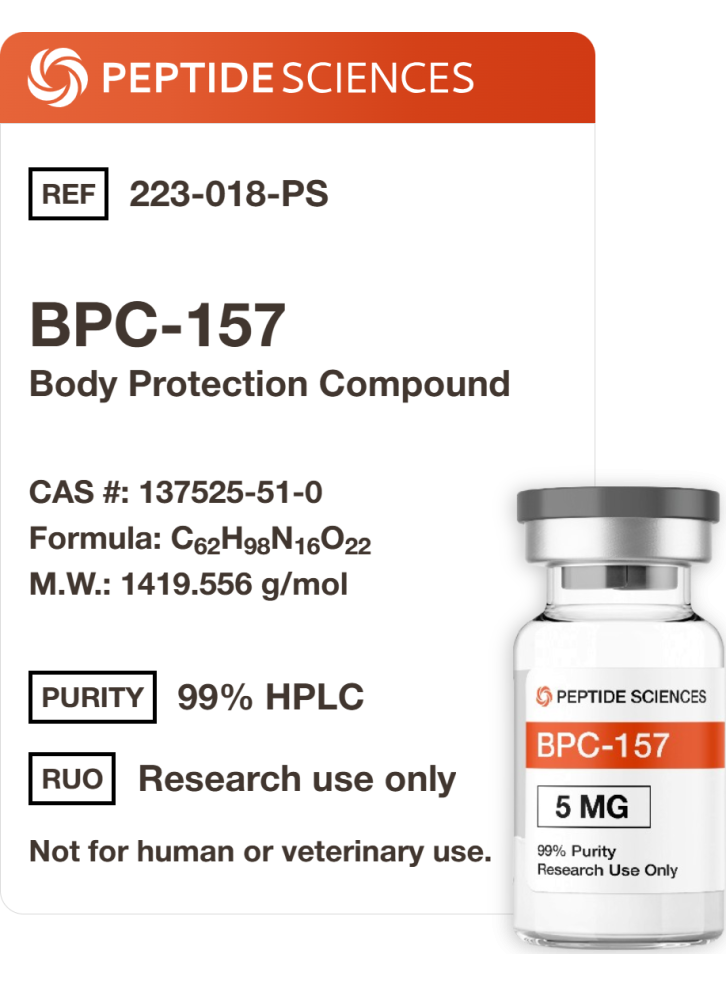
Peptide Coa Library: Third-party Set Laboratory Results
Aspects such as column type, solvent slope, detection wavelength, calibration requirements, and example prep work can all influence the last reported purity. Also when evaluating the same product, different labs may generate a little various outcomes due to these variables. A COA is an important paper, however it needs to not be the only aspect purchasers utilize when reviewing a research peptide provider. It is also essential to check out how the distributor provides item details throughout the internet site. A supplier-issued COA can still be useful when it is batch-specific, understandable, and consistent with the item being offered. The essential concern is whether the file gives sufficient clearness and traceability for buyers to assess it with self-confidence.- LC-MS can help show whether the sample aligns with the expected mass profile of the peptide detailed on the record.Reviewing a CoA isn't regarding remembering every term but knowing what each number means for the project.Even when testing the exact same material, various laboratories may generate somewhat different results because of these variables.
Peptides Lab Uk
When buying study peptides, documentation plays an important duty in aiding purchasers examine what is being provided. A Certification of Evaluation gives a more clear photo of how a distributor provides batch-level details, reported purity data, and test approaches. It assists purchasers relocate past advertising and marketing cases and consider whether the supporting documents appears structured, specific, and consistent.Purchasers should likewise assess product labeling, site transparency, storage details, and the uniformity of documentation throughout the distributor's brochure. The strongest sourcing decisions generally come from considering the full documentation photo rather than one data alone. Just as importantly, a COA ought to be viewed as one part of a wider documentation picture.
High Quality Begins With Verification
The International Council for Harmonisation (ICH) Q3C standards establish appropriate limits for recurring solvents based upon their toxicity classifications. Class 1 solvents need to be stayed clear of entirely, Course 2 solvents have details concentration limitations, and Class 3 solvents are taken into consideration less poisonous with higher acceptable degrees. TFA, commonly made use of in peptide synthesis, usually appears at levels listed below 1% in effectively purified products.